
Waysides
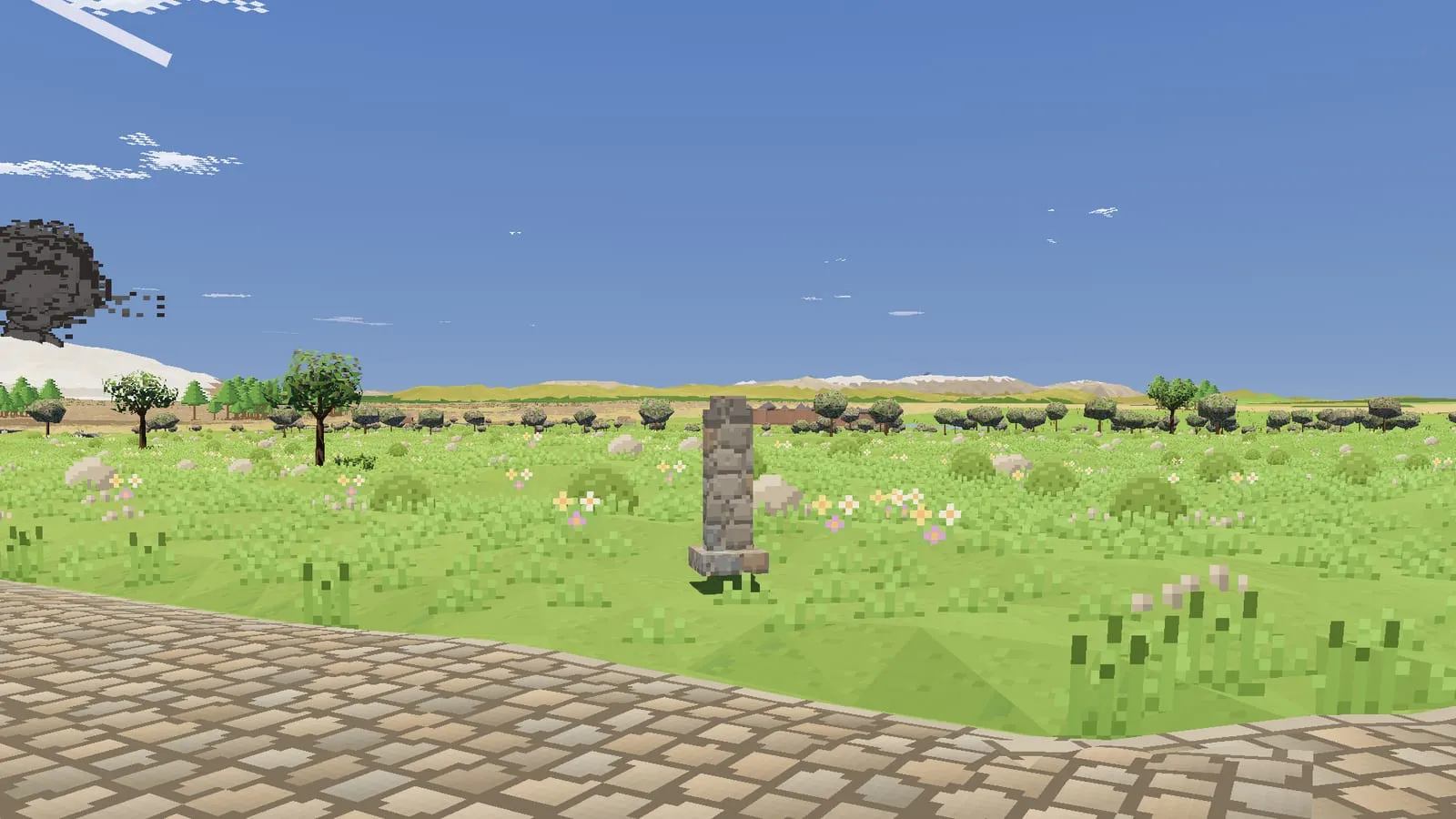
Crossroads
Section titled “Crossroads”Where three or more roads meet, away from any settlement, stands a crossroads named after the nearest place. Each has one of:
| Mark | Use |
|---|---|
| Signpost | Shows the way |
| Well | Shelter for the night, as an inn’s |
| Waystone | A marker |
Three crossroads in ten also have a gallows, and four in ten a wayside shrine, which pilgrims visit. The busiest crossroads have a coaching inn (see Inns).
Round the villages
Section titled “Round the villages”Out among a village’s fields and up to 700 m beyond them:
| Work | Where | Chance |
|---|---|---|
| Mill | Water mill on a river bank, else a windmill on high ground | Three villages in four, every manor |
| Woodcutters’ camp | In the woods: a lean-to, sawpit and log stack | 6 in 10 |
| Quarry | Stepped stone ledges up on hills or mountain | 7 in 10 |
| Fish weir | Stakes and wattle out into a river | 6 in 10 |
| Lime kiln | On limestone | 6 in 10 |
| Charcoal clamps | In the woods, two together | 6 in 10 |
Woodcutters, quarrymen and fishers work the camps, quarries and weirs.
Round the manors and seats
Section titled “Round the manors and seats”Every manor house has a fishpond and a mill. A kingdom’s seat has three stew ponds and a deer park with a lodge up to 900 m out.
Outside the towns
Section titled “Outside the towns”Houses spill 60 m out of each town gate. A gallows stands by a road out, and a cloister temple with its cemetery by another. Tanners and dyers work on the water within 100 m of the wall.