
Roads
The network
Section titled “The network”| Kind | Joins |
|---|---|
| Road | Town to town, with loops, and each castle to its town |
| Track | Villages and manor houses to the roads |
| Lane | The ways between the houses of a village |
| Street | A town’s ways, paved |
A great castle’s road runs dead straight in from far out. No road runs over the sea or a lake: a place cut off by water from its town joins the nearest place it can reach by land instead, or has no road. The sea is crossed only by ship.
Built into the land
Section titled “Built into the land”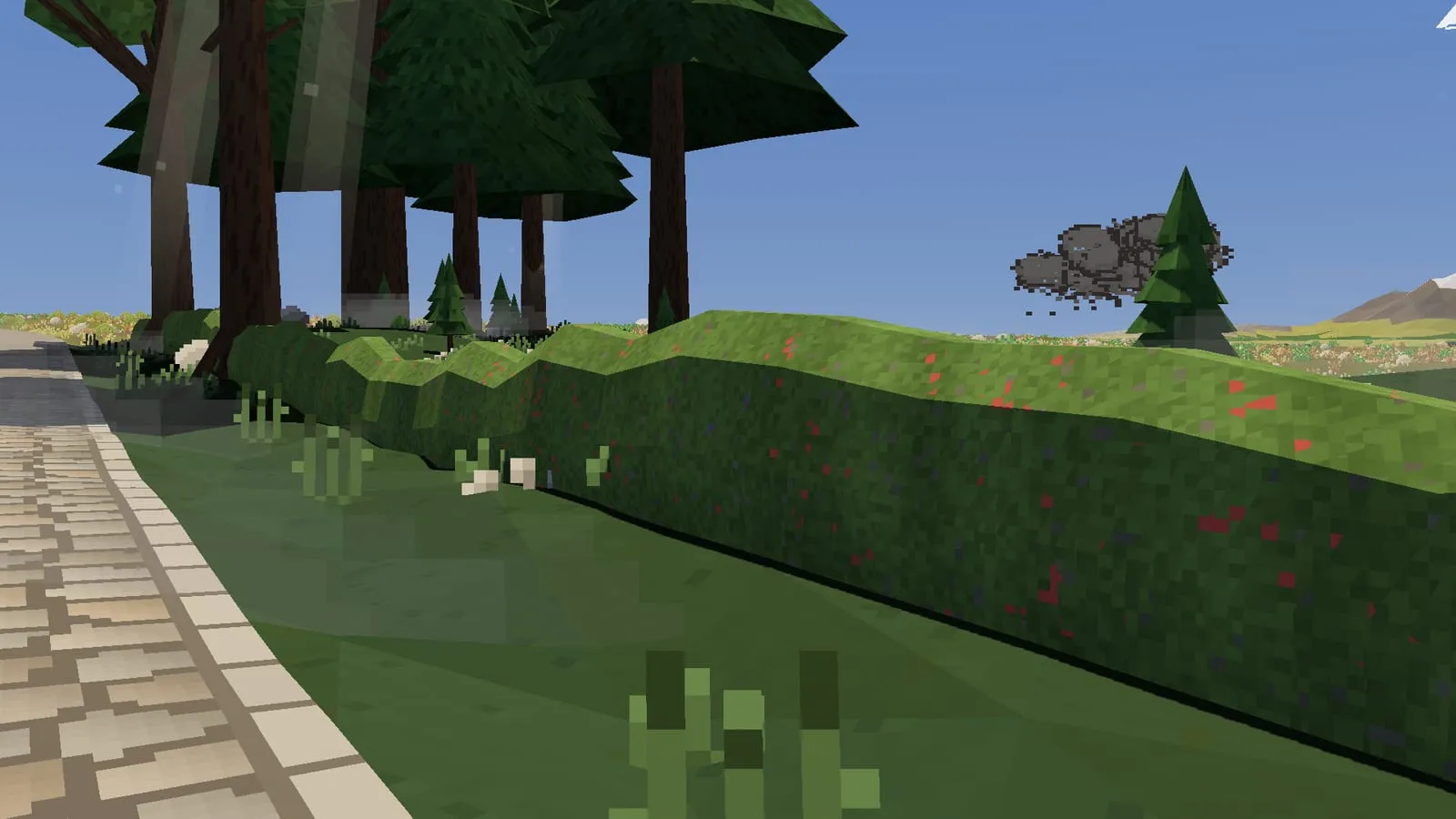
Roads, tracks, lanes and streets are cut into the ground and graded smooth, never more than 2 m above or below the land; past that they follow the hill. A road is 6 m wide and level across, with a ditch 2.5 m wide either side. Tracks have no ditch. Trees keep 10 m clear of every road on both sides.
The going
Section titled “The going”| Ground | Going (open ground = 1) |
|---|---|
| Road, track, open ground | 1 |
| Marsh, snowfield | 0.7 |
| Forest | Slowed by the trees close by |
| Water | Only at a crossing or a stream |
A road is no faster than open ground on foot or horseback. Its worth is to wagons and carts: they go at full pace on a road or open ground, 0.7 in marsh or snow, and not at all through a forest, up a slope over 30 degrees, or over water except at a crossing.
Distances
Section titled “Distances”| Measure | Length |
|---|---|
| A day’s march (a wagon train, dawn to dusk) | 4.32 km |
| A day’s ride | 8.64 km |
Inns stand at least half a day’s march apart, and no stretch of road runs more than a day between rest stops. See Inns.